BPO and valuation: the number that drives approval.
The lender will not accept a price it does not believe. In most short sales that belief is tested by a broker price opinion, or BPO. This guide explains what a BPO is, how the valuation is built, why it drives the approval, and how a seller or agent prepares the file for it.
What is a BPO?
A broker price opinion is a valuation prepared by a licensed real estate professional, cheaper and faster than a full appraisal, which the lender uses to estimate what the property would actually sell for. See the short-sale process. In short sales the servicer frequently orders a BPO once the package arrives, to test whether the contract price price and the approval amount are justified.
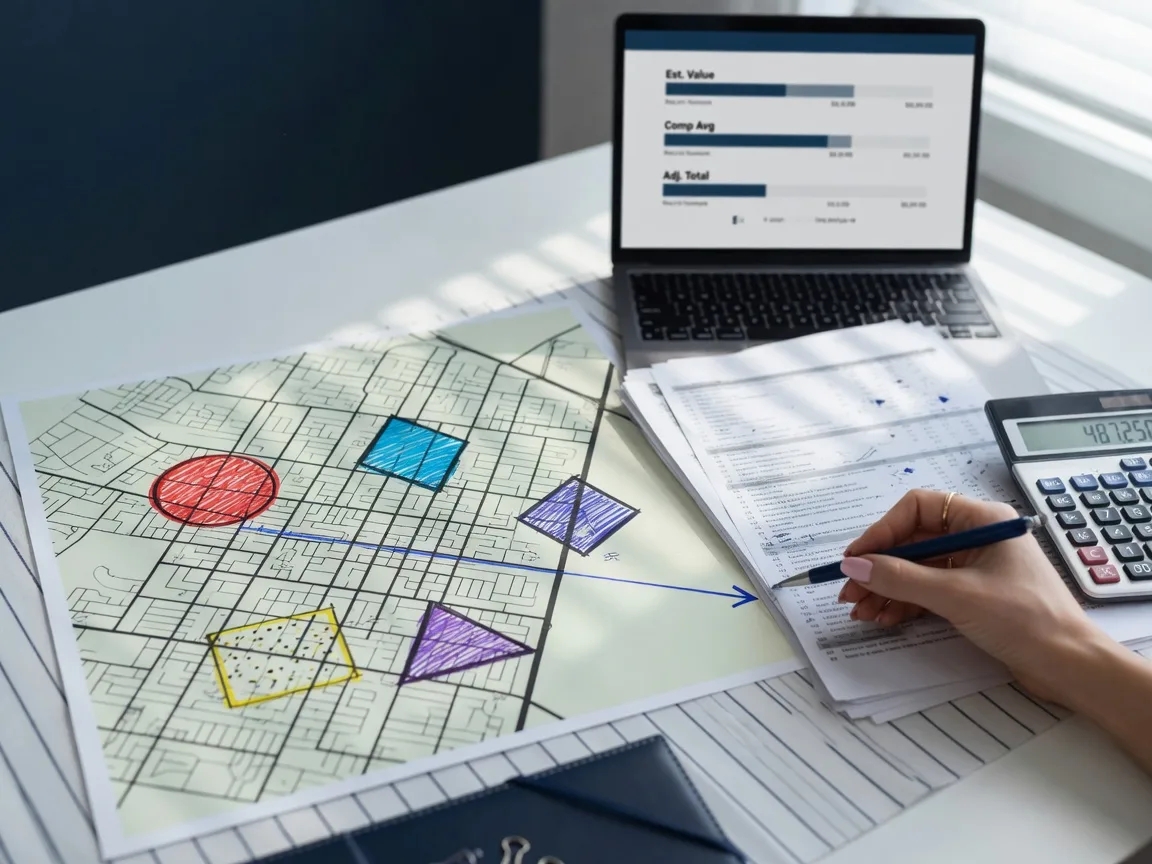
Drive-by BPO
The agent photographs and assesses the exterior from the street, using comps for the value.
Interior BPO
The agent enters the home, notes condition, and prices from actual interior evidence.
Desktop BPO
Built from public data and photos without a property visit. Accuracy depends on the data available and the agent's knowledge of the area.
Why valuation drives the approval
The servicer compares two numbers: the net it would receive from this sale at the contract price, and the net it estimates from taking the property through foreclosure and reselling as an REO. If the valuation and the contract price line up, the comparison is straightforward. When the lender's valuation materially exceeds what current market evidence supports, the servicer may demand a higher price or net proceeds, and a documented valuation review may be warranted. Investor and lender rules shape whether that review is possible.
How to prepare the file for an accurate valuation
Document actual condition
Record the property's actual condition, including deferred maintenance, material defects, and functional obsolescence, so the valuation reflects the property as it is. No manipulation in either direction.
Photograph the facts
Photograph features and defects honestly, and price from the evidence. Repairs are an owner decision, not a way to move the number.
Provide comparable evidence
Give the agent your CMA: recent, similar, nearby sales with legitimate adjustments for condition, location, and features. The agent does not have to accept it, but supported comps help an accurate review.
Encourage an interior read
Where the servicer permits it, an interior read with documented condition notes can give the valuation a more accurate picture than exterior-only data.
What to do when the lender's valuation exceeds the market evidence
The common pricing problem is the lender's valuation coming in above what current market evidence supports, not a low BPO. When the lender's valuation materially exceeds what current market evidence supports, the servicer may demand a higher price or net proceeds. A documented valuation review can present comparable sales, property condition, repair issues, and other objective evidence supporting reconsideration. The earlier the mismatch is identified, the more time there is to respond.
Start a conversation
Need valuation strategy for a file?
With BPO and valuation experience across Northern California, the team helps sellers and agents present a defensible number.