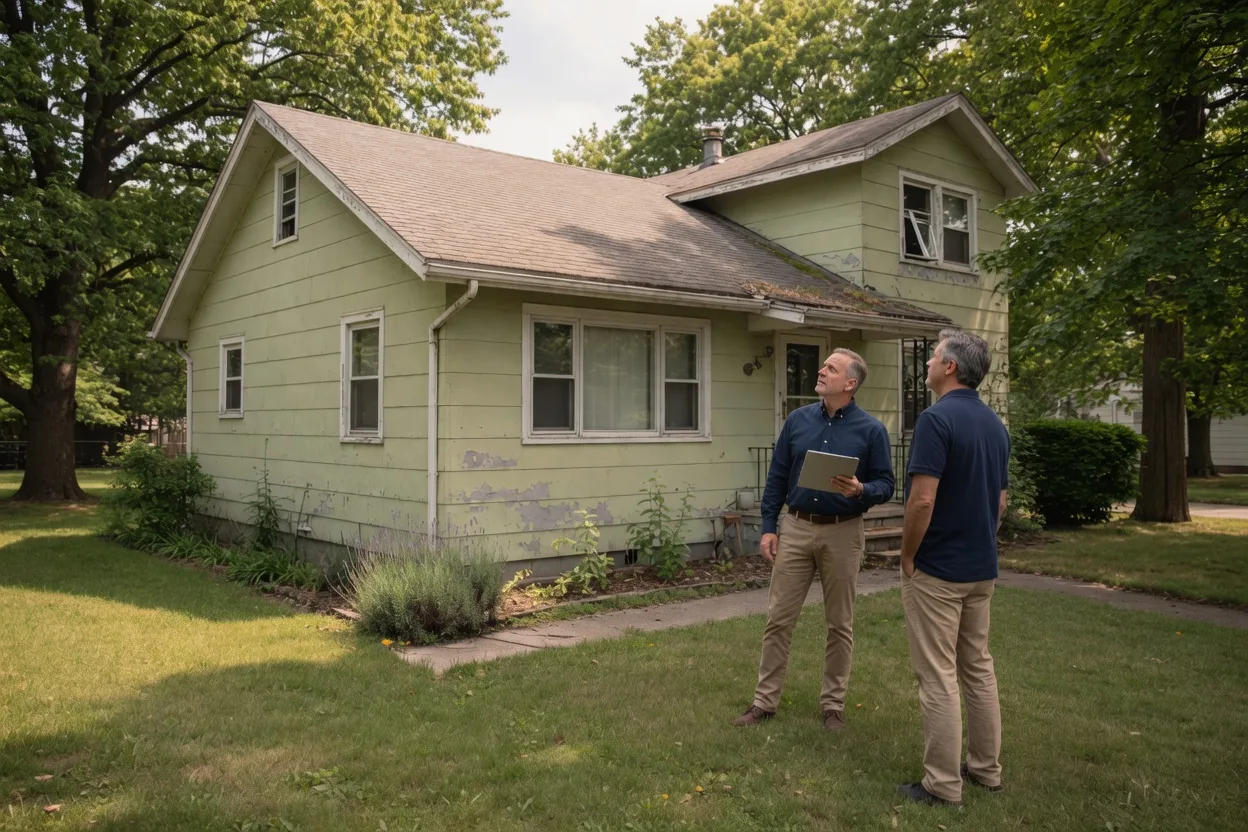
Before You Buy a Fixer-Upper, Short Sale, or Distressed Property: 10 Questions You Need to Answer First
Forgiving prices hide unforgiving details. Ten questions separate a calculated distressed-property purchase from a costly surprise, and this guide walks through each of them before you write an offer.
Last Verified: September 4, 2026 Fixer-Upper and Distressed Buying Reviewed by The Gary Lee Team before publication
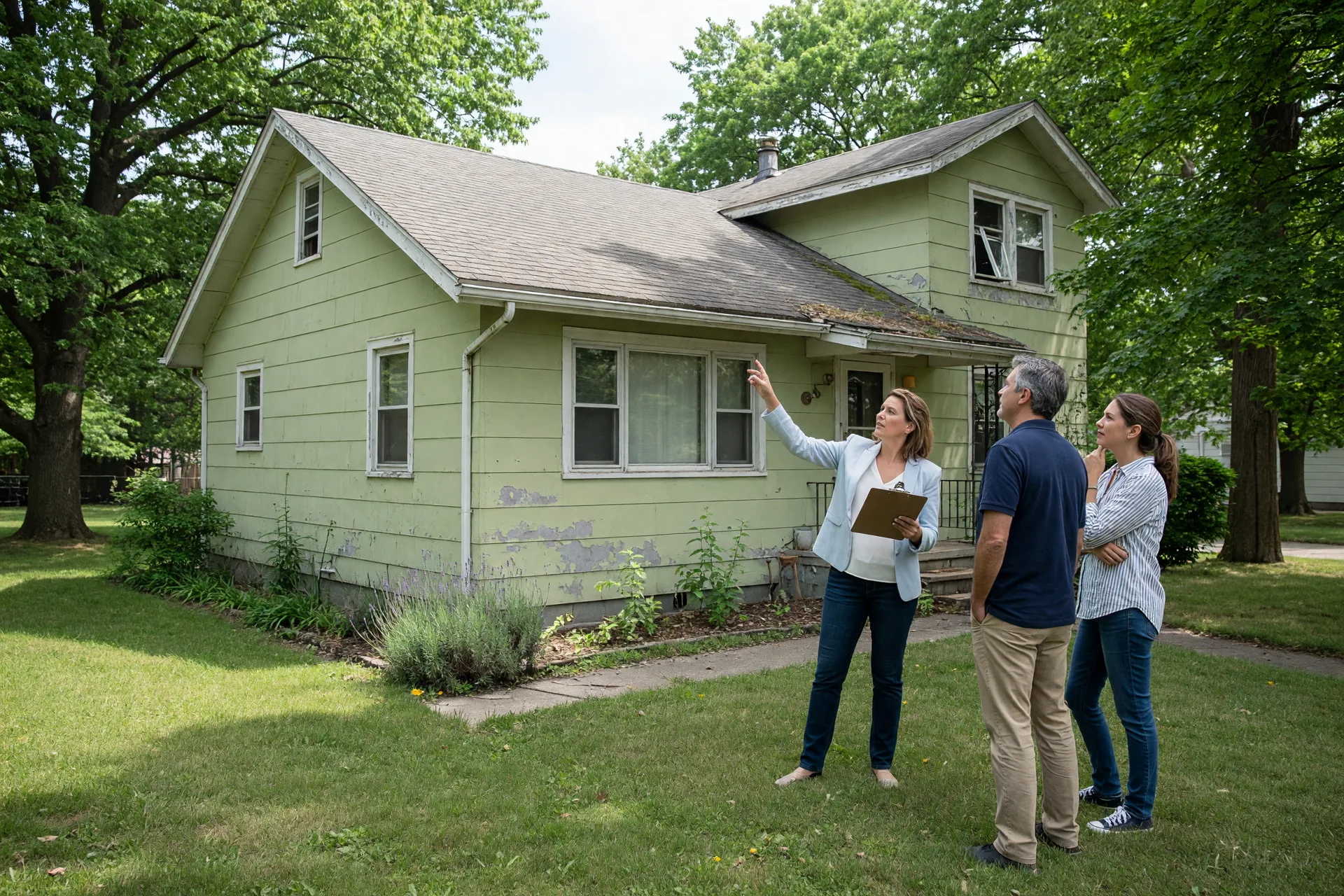
Few purchases punish a skipped question as hard as a distressed or fixer-upper home. The asking price is only the
entry point: the true cost shows up in repairs, financing limits, liens, inspection findings, and timelines that
are not always in your control. Before you write an offer, work through these ten questions, and let the answers
decide the price, the contingencies, and whether you should be making an offer at all.
A fixer-upper is not necessarily a distressed sale, and a short sale is not necessarily a fixer-upper.
Physical condition, financial distress, and title or lien issues are separate questions. This guide walks
through all of them so you can tell them apart.
A short sale describes the financial structure of the transaction, not necessarily the physical condition of
the property. A short-sale home may be beautifully maintained, heavily deferred, or anywhere in between.
Likewise, a fixer-upper is not necessarily financially distressed. This guide covers situations where those
categories overlap.
01
Do you know what you're really buying?
A fixer-upper is two purchases in one: the house as it stands and the work it needs. Condition covers the
big-ticket systems: roof, foundation, electrical, plumbing, heating and cooling. "Distressed" adds another
layer. The property may carry unpaid taxes, liens, HOA dues, judgments, code violations, or unpermitted work
that a past owner started and never finished, and those problems do not always show up in the listing.
Check: Ask whether a preliminary title report, title search, or
equivalent title review has already been completed, and review available title information as early as
practical. Distressed transactions can involve junior liens, unpaid taxes, HOA claims, judgments, or other
encumbrances that may affect whether the transaction can close. Walk the systems with someone qualified.
Review all seller disclosures, reports, inspections, and property information that are required or
available for that transaction, and determine whether permits exist for significant additions or remodeling
when that information is material to your decision.
For the broader picture of how offers on distressed properties actually work, start with our
buyer and buyer agent resources.
02
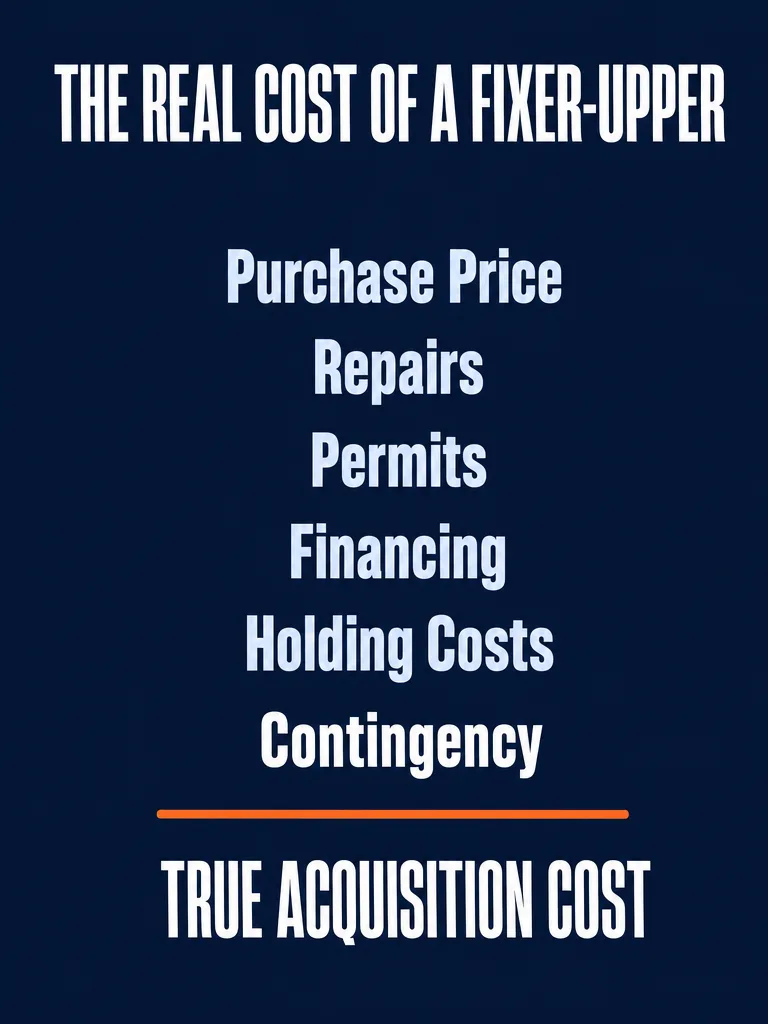
What is the real cost of repairs versus the asking price?
A low price stops mattering the moment the repair estimate passes the savings. Cosmetic work is easy to
undercount; structural work is easy to underestimate entirely, and the "paint, carpet, and staging" budget
does not touch a roof, a foundation, or a panel that needs replacing. Get line-item numbers from qualified
contractors before you negotiate, not after you are under contract.
Check: price the repairs three ways: a contractor you hire,
an independent second opinion, and what the work will demand while the home sits empty and costs money every
month.
03
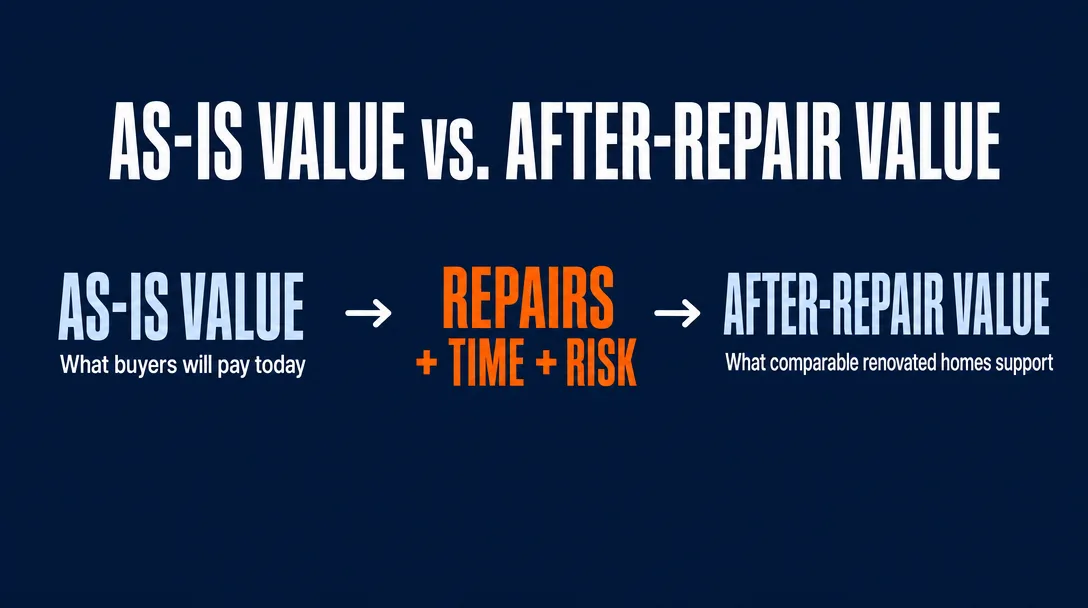
What is the as-is value versus the after-repair value (ARV)?
Every distressed deal turns on two numbers: what the property is worth in its current condition and what it
would be worth repaired. The gap is the work, the risk, and the time you carry while the work is done. The
lender's math matters too. Under the
Fannie Mae Selling Guide, the value of the property is a central consideration in how a mortgage on that property is underwritten,
and condition and needed repairs can factor into how that value is determined. When the seller's lender
reviews a short sale, the agreed price has to hold up against the property's value as it stands, so an
unrealistic repair budget can become an approval problem.
Fannie Mae's Selling Guide is the controlling policy document for how loans backed by Fannie Mae are
underwritten, including how property value and condition are treated. Confirm the current requirements
directly in the
Fannie Mae Selling Guide
before you rely on any summary, because the rules are updated and change over time.
Check: build the ARV from closed sales of repaired comparable
homes, not from asking prices, and have an appraiser or an experienced agent sanity-check both the as-is and
after-repair numbers before they go into your offer.
04
Can this property finance, and what will the lender require?
Condition can disqualify a property from loan programs many buyers take for granted. FHA has minimum property
requirements, conventional lenders may pass on properties with health, safety, or structural issues, and an
appraiser who reports problems can turn a pre-approval into a denial at the finish line. A short sale can add
its own conditions: approval terms that shape the price, the closing date, or the repairs the seller's lender
requires before it releases its lien.
Check: talk to a lender before the offer, not after. Ask what
financing this specific property will support, what the down payment and rate look like, and whether a
renovation loan or an all-cash strategy fits the property better.
05
Is This a Short Sale, Preforeclosure, Foreclosure Auction, REO, or Standard Sale?
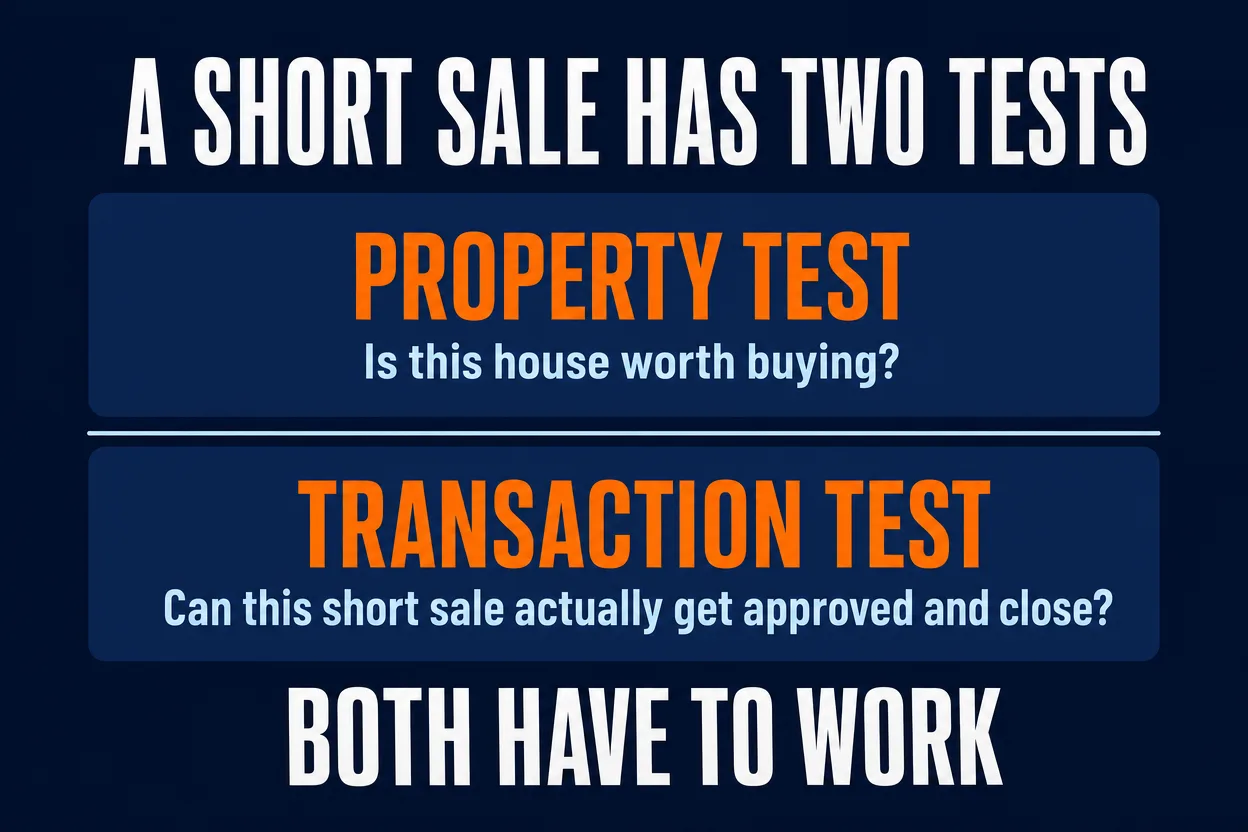
These transaction types and foreclosure stages operate under different rules. In a short sale, the mortgage servicer, investor, lienholder,
or other required approval party may need to approve the proposed short-sale payoff and transaction terms,
so the transaction has to clear two tests: the short-sale lender has to agree that a short sale is the
better outcome than the alternatives for the lien, and the price has to match what the property is worth in
its current condition. These are not interchangeable terms. A short sale is still a sale by the homeowner,
subject to required lienholder approval of the short payoff. A property in preforeclosure may still be owned
and sold by the homeowner. A foreclosure auction follows the applicable state's foreclosure process. If the
lender or investor ultimately acquires the property through foreclosure, the property may later be marketed
as bank-owned or REO. A standard sale generally does not require a seller's mortgage lender to approve a
discounted payoff, so its transaction timeline is usually more predictable than a short sale, although
financing, appraisal, title, inspections, and other contingencies can still affect closing.
Check: ask the listing agent which one you are looking at, and
read what changes with it: contingencies, inspection windows, earnest money protection, and who can walk away
and when.
06
What is the actual timeline, and who controls it?
Short sale timelines are not fixed, and anyone who quotes you one as a guarantee is guessing. Review speed
depends on the servicer, the investor who owns the loan, the completeness of the seller's file, and any
foreclosure activity already in motion. Sometimes review moves in weeks; sometimes it takes months. The seller and buyer do not fully
control the timeline. The servicer, investor, trustee-sale status, file completeness, and other factors
may affect how quickly the transaction moves.
Check: ask where the seller's file stands: submitted,
incomplete, or not started. Ask about the foreclosure date if one exists. Then decide whether the realistic
range works with your financing, your move, and your lease.
The
short sale process guide
explains the review sequence step by step, including where files stall and what moves them.
07
Who is inspecting and estimating, and are they qualified?
Inspection and contractor licensing requirements vary by state. Verify whatever licensing,
certification, insurance, experience, and professional qualifications apply where the property is located.
A distressed home hides more than it shows: siding
can mask rot, a fresh coat of paint can cover water damage, and a home with the power connected still needs
its systems checked under load. The people you hire decide whether you find those problems before closing or
after, and their credentials are the cheapest insurance in the deal. A general home inspector may also
recommend specialists for roofing, foundation, electrical, sewer, pest, HVAC, environmental, or other issues
outside the scope of a general inspection.
Check: Verify whatever licensing, certification, insurance, experience, and
professional qualifications apply where the property is located. Ask for a sample report,
and review the scope: will they test the roof, plumbing, electrical, HVAC, foundation, and drainage? Plan to
attend the inspection. You are hiring them to find what the asking price is hiding.
08
What happens if the lender does not approve the sale or the deal falls through?
In a short sale, required short-sale approval parties can prevent the transaction from closing on the proposed
terms, and a buyer who forgets that stops owning the
outcome. The lender can reject the price, demand different terms, or add conditions, and an incomplete file
can stall the process, with delays that may stretch past the listing period. You can lose time, inspection
money, and possibly earnest money depending on how the contract was written, and none of that changes the
risk that the property simply never closes.
Check: read the contingency language before you sign. Understand
exactly when the earnest-money deposit becomes due, when it may become nonrefundable, what contingencies
apply, and what rights the contract provides if short-sale approval does not occur. Your real estate
professional or attorney, where appropriate, should explain the contract used in that jurisdiction. Know
your walk-away point in dollars and weeks, and have a backup property in mind if this one falls through.
09
What are the carrying and holding costs while work is done?
The price of the house is not the price of the project. From the day you take title, property taxes,
insurance, HOA dues, utilities, and the cost of the money you have tied up start running, and a renovation
period adds contractor draws and the cost of living somewhere else while the work proceeds. Every week the
project runs adds to the real purchase price.
Check: build a monthly holding-cost line for taxes, insurance,
dues, utilities, and financing, and multiply it by a realistic work window, not an optimistic one. Add a
cushion, because work windows stretch.
10
Do you have a team that has done this before (agent, inspector, contractor, lender)?
Distressed and fixer-upper purchases reward people who have been through them before. An agent who has closed
short sales will not promise you a closing date; an inspector who knows older homes will look in the right
places; a contractor who actually bids the work protects your numbers; a lender who understands distressed
and renovation financing tells you the truth early instead of discovering it at appraisal.
Check: interview every member of the team before you commit.
Ask for recent examples, not just credentials: which short sales did they close, which bids did they re-run,
and what did they miss the first time?
If the property is in California and you are considering buying or selling a short sale, you do not have to
navigate the process alone.
The Gary Lee Team provides direct California real estate representation through eXp Realty of Northern
California, Inc. for both short-sale sellers and buyers. The team works with property valuation, offer
strategy, lender-approval requirements, transaction coordination, and the real estate side of the short-sale
process.
If you already have an agent and need short-sale strategy, valuation support, documentation assistance,
lender-process coordination, or negotiation support, Short Sale Deal Maker is designed to help with the
short-sale side of the file.
The takeaway
A fixer-upper or distressed property can be a good opportunity, but only if the numbers, condition,
financing, timeline, and transaction structure make sense together.
Do not evaluate the property only by its asking price. Understand what you are buying, what it will cost to
repair, what financing will work, who controls the approval process, and how much time and risk you are
willing to take on.
If the property involves a short sale, experienced guidance matters even more.
Real estate professionals and agents: Short Sale Deal Maker provides short-sale strategy, valuation,
documentation, lender-process support, transaction coordination, and negotiation assistance.
California buyers and sellers: The Gary Lee Team provides direct short-sale representation through eXp
Realty of Northern California, Inc.
Visit SacramentoShortSale.com
to learn more or speak with the team.
Browse the Short Sale Deal Maker
Knowledge Center
for additional guides on short-sale process, valuation, liens, lender requirements, and transaction
strategy.